

What Hull Coverage Means for Boat Owners in GA
Hull coverage is the part of a boat insurance policy that protects the boat itself when it is damaged by a covered loss. In practical terms, that can include the hull, permanently attached equipment, and in many policies certain onboard components such as motors, fuel tanks, and built-in electronics.
For boat owners across GA, this coverage matters because repair costs can climb quickly after a collision, grounding, fire, theft, vandalism, or severe weather event.
Whether a vessel is used on Lake Allatoona near Acworth, launched around Buford for Lake Lanier access, or stored closer to Atlanta, hull coverage is the foundation of physical damage protection and is often one of the first coverages people ask about when comparing boat insurance.
Why Hull Coverage Matters Across GA
Boat risks are not the same throughout GA, which is why statewide hull coverage planning matters. North Georgia boat owners may face crowded summer traffic on Lake Lanier, while other parts of the state see more exposure to wind, hail, falling trees, and storage-related losses during storm season.
In metro areas such as Marietta, Roswell, Alpharetta, and Sandy Springs, many boats spend part of the year in driveways, yards, or dry storage, where theft and weather exposure can still create major losses.
Georgia boaters also deal with changing water levels, submerged hazards, docking mishaps, and trailer incidents on the way to and from the water. Hull coverage helps address these real-world risks across GA instead of leaving owners to pay out of pocket for expensive structural damage.
Not sure your coverage is enough?
A local agent at The Larson Group can check it with you, free.
Licensed Georgia agents · The Larson Group
What Hull Coverage Typically Covers
Hull coverage usually applies to direct physical loss or damage caused by covered perils named in the policy. Common examples include striking another boat, hitting a dock, running aground, sinking from a covered event, fire, lightning, theft, vandalism, and windstorm damage.
Depending on the policy form, it may also protect attached machinery, sails, trolling motors, anchors, and navigation equipment.
The exact settlement can be based on agreed value or actual cash value, and that distinction is important in GA because depreciation can make a large difference on older boats.
Hull coverage does not usually replace maintenance, wear and tear, corrosion, manufacturer defects, or gradual deterioration. Reading exclusions carefully is just as important as reviewing the list of covered causes of loss.
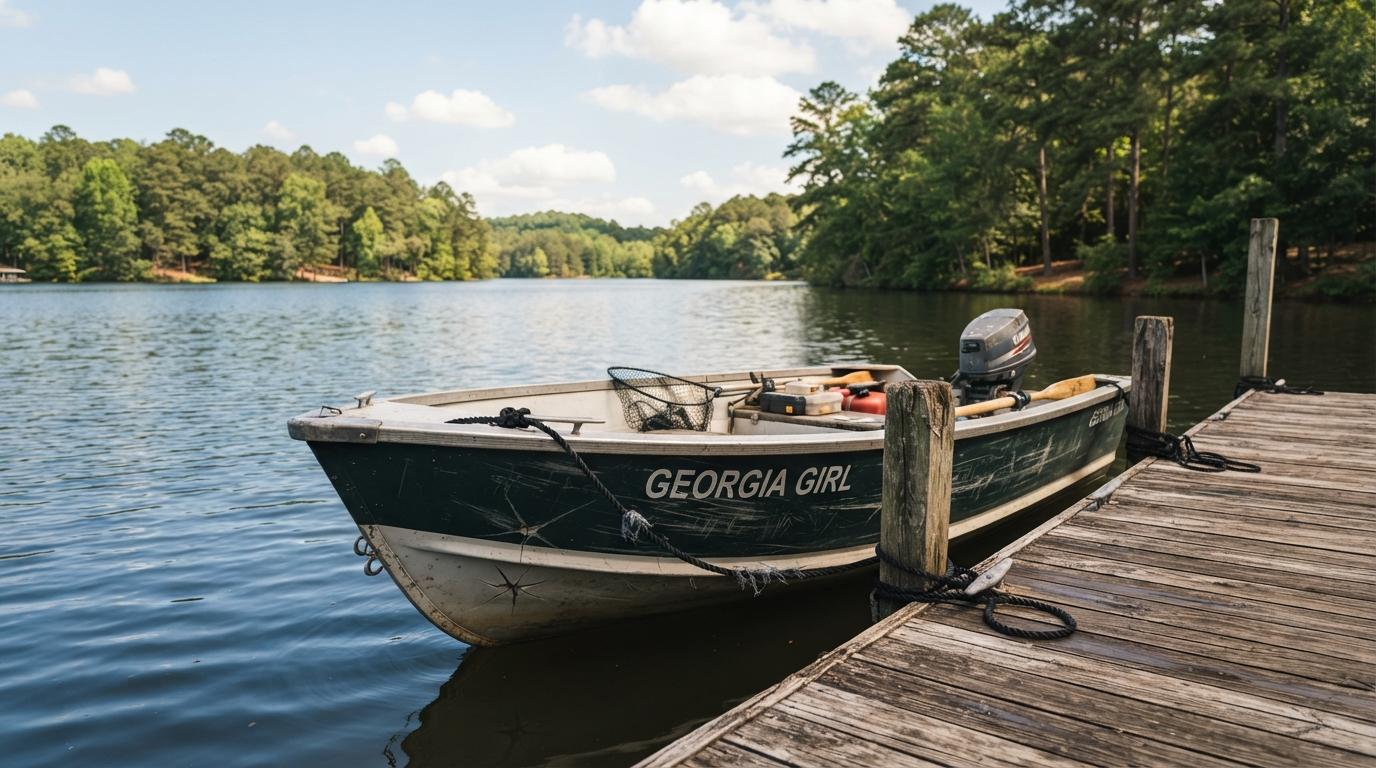
Key Benefits of Hull Coverage
- Protects the physical structure of the boat after covered collisions, dock strikes, grounding events, and storm losses
- Can include permanently attached equipment such as motors, built-in electronics, fuel systems, and navigation gear depending on the policy
- Helps reduce out-of-pocket repair or replacement costs when damage is severe and specialized marine labor is needed
- Offers settlement options such as agreed value or actual cash value, which can affect how claims are paid in GA
- Supports year-round protection whether the boat is in use, in transit on a trailer, or stored near Atlanta, Cumming, or elsewhere in GA
Want a quote for your own policy?
It takes a few minutes and there is no obligation.
Licensed Georgia agents · The Larson Group
Factors That Affect Hull Coverage Rates in GA
Hull coverage cost in GA depends on the boat’s value, age, length, horsepower, construction type, top speed, storage method, and where it is primarily used. Boats operated on busy waterways or high-traffic lakes can be priced differently than boats used less frequently in lower-density areas.
Rates can also change based on whether the vessel is financed, whether safety equipment is installed, and whether the operator has prior claims or boating violations.
Across GA, insurers may also consider hurricane-related wind exposure for coastal travel, inland storm frequency, and theft patterns in larger metro corridors like Atlanta, Dunwoody, and Smyrna.
Deductible choice matters too: a higher deductible may lower premium, but it also means more paid out of pocket at claim time.
How Hull Coverage Claims Usually Work
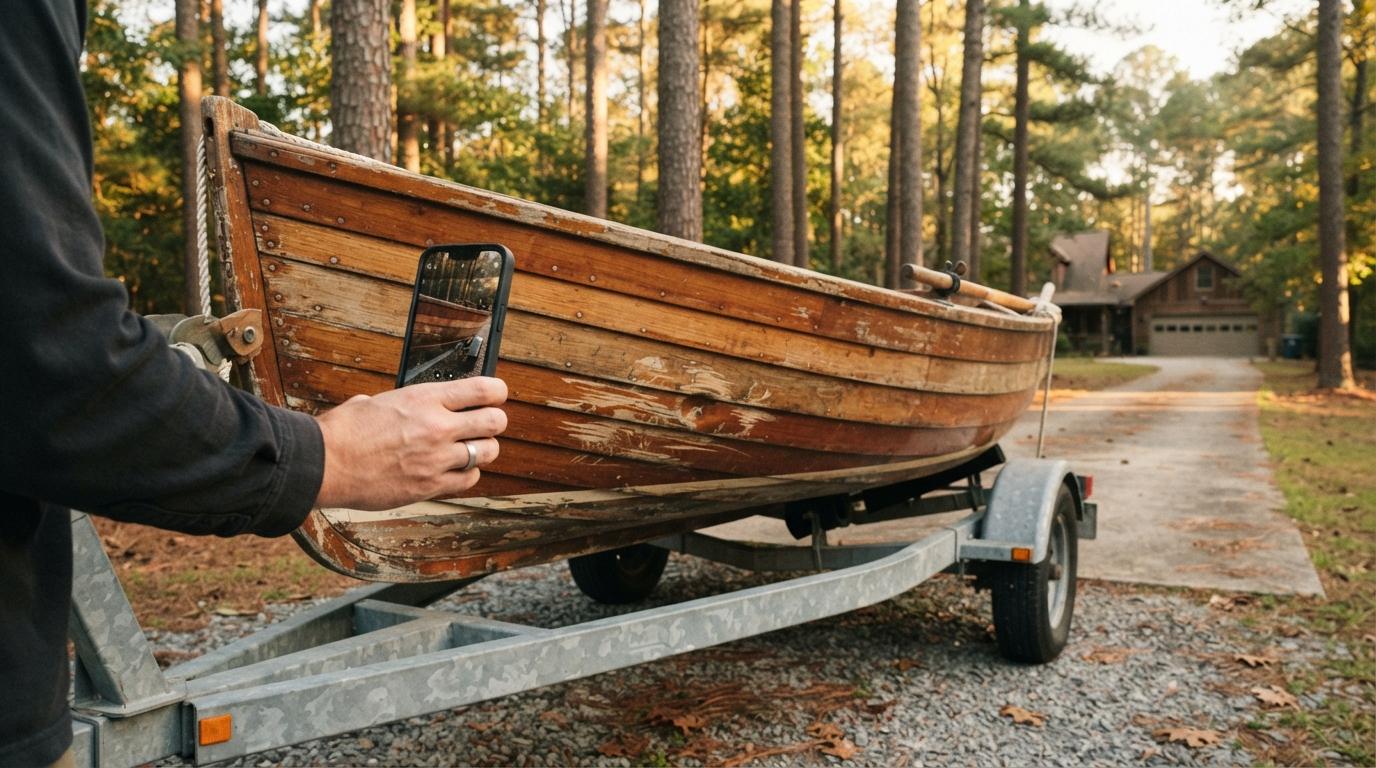
A hull coverage claim typically starts by reporting the loss as soon as possible, documenting what happened, and taking reasonable steps to prevent further damage.
That usually means gathering photos, video, police or marina reports if applicable, repair estimates, and details about where and when the incident happened.
In GA, claims involving a collision on the water, trailer accident, or storm damage may require inspection by an adjuster or marine surveyor before repairs are approved. The insurer then reviews the cause of loss, the policy terms, the deductible, and the vessel’s insured value.
If the damage is covered, payment is generally based on repair cost, replacement cost for eligible items, or the valuation method shown in the policy. Good records and quick reporting can help avoid delays.
Have a question about your policy?
Ask a local agent at The Larson Group. The quote is free.
Licensed Georgia agents · The Larson Group
Common Hull Coverage Misunderstandings
One of the biggest misconceptions is that hull coverage pays for every type of boat problem. It does not. Mechanical breakdown from lack of maintenance, normal aging, blistering, corrosion, mold, and gradual wear are often excluded.
Another common mistake is assuming the trailer, personal belongings, fishing gear, and detached accessories are automatically covered at full value. In many GA policies, those items have separate limits, optional endorsements, or different deductibles.
Boat owners also sometimes confuse market value with insured value, which can lead to unpleasant surprises after a major loss.
Across GA, from Kennesaw to Canton and from Atlanta to Cumming, it is worth reviewing whether the policy is written on an agreed value or actual cash value basis so expectations match the contract.
Choosing the Right Hull Coverage Limit for Your Boat in GA
The right hull coverage limit should reflect what it would realistically cost to repair or replace the boat, not just what was originally paid for it years ago. Start with the vessel’s make, model, year, upgrades, motor value, and any permanently attached equipment.
Then think about where and how the boat is used across GA. A newer wake boat used regularly near Buford or a fishing boat trailered through Dallas and Acworth may need different deductibles and valuation options based on frequency of use and exposure to transport risks.
Financing requirements may also set minimum standards. Many boat owners benefit from reviewing marine surveys, bill-of-sale records, and current market comps so the coverage limit is neither too low nor unnecessarily inflated.
Getting Hull Coverage Across GA
Getting hull coverage in GA usually begins with a few core details: the boat’s year, make, model, length, engine information, storage location, prior loss history, and how the vessel will be used.
From there, policy options can be compared for agreed value versus actual cash value, deductible levels, navigation territory, seasonal lay-up provisions, and attached equipment limits.
Because this is a statewide topic, boat owners throughout GA can compare options whether they are based near Atlanta, Marietta, Roswell, Alpharetta, Kennesaw, Canton, Acworth, Smyrna, Dunwoody, Sandy Springs, Cumming, Dallas, or Buford.
Woodstock serves as the site’s home base, but the key is finding hull protection that matches the boat’s real exposure across Georgia waters, road transit routes, and storage conditions.
Frequently Asked Questions
How much does hull coverage cost in GA?
What does hull coverage cover on a boat?
Do I need hull coverage in GA if my boat is stored most of the year?
How do I get hull coverage in GA?
Is hull coverage required for financed boats in GA?
Your next step
Get a quote that includes hull coverage in ga: protection for your boat
Compare coverage options for GA and get help choosing the right policy.
Licensed Georgia agents · The Larson Group