

What Trailer Coverage Is in GA
Trailer coverage is insurance designed to protect your boat trailer from covered physical damage and related losses while it is being towed, parked, stored, or sometimes while loading and unloading.
Across GA, many boat owners assume the trailer is automatically fully covered under auto insurance or a base boat policy, but that is not always true.
Coverage can apply to damage from collisions, vandalism, fire, theft, and certain weather events depending on the policy terms, deductibles, and exclusions.
For owners towing to Lake Allatoona, Lake Lanier, or coastal destinations, trailer coverage matters because the trailer is a separate piece of property with its own value, repair costs, and risk profile.
Why You Need Trailer Coverage Throughout GA
Boat trailer risks vary widely across GA. In metro areas such as Atlanta, Marietta, Roswell, and Sandy Springs, dense traffic increases the chance of backing accidents, jackknifing, side-swipe damage, and theft from driveways or storage lots.
In North Georgia and around Woodstock, Canton, and Cumming, winding roads, steep grades, and frequent weekend towing to area lakes can put extra strain on axles, tires, and frames. Across the state, hail, falling tree limbs, heavy rain, and wind can also damage a parked trailer.
Georgia owners should also think about where the trailer spends most of its time, because storage conditions, travel frequency, and distance traveled can all influence whether broader trailer protection makes sense.
Not sure your coverage is enough?
A local agent at The Larson Group can check it with you, free.
Licensed Georgia agents · The Larson Group
What Trailer Coverage Covers
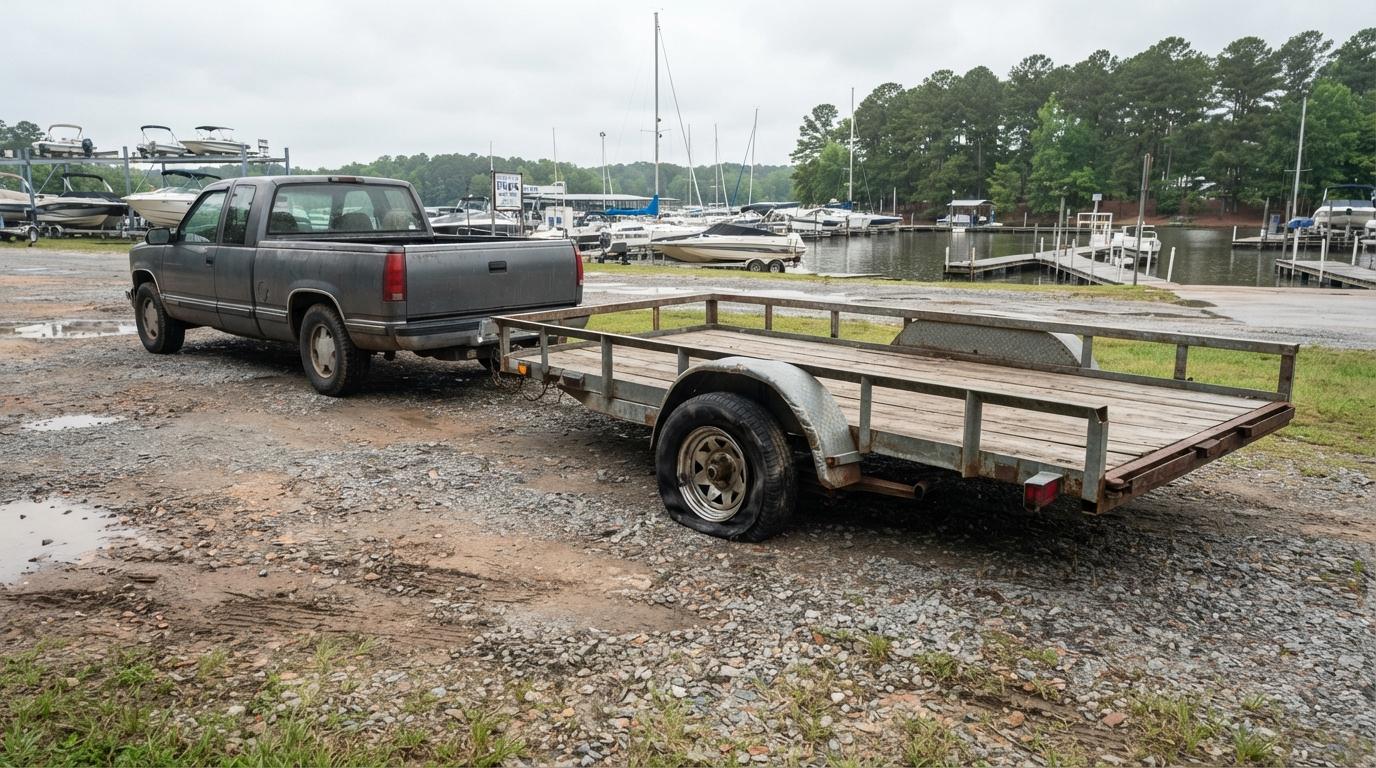
A trailer coverage policy or endorsement usually helps pay for covered damage to the trailer itself, not just the boat sitting on it. That can include collision damage after an accident, comprehensive losses such as theft or vandalism, fire damage, and some storm-related claims.
Depending on the insurer, coverage may also address damage to lights, winches, rollers, fenders, wheels, or permanently attached equipment. Some policies are written on an actual cash value basis, while others may offer agreed value or replacement cost options for newer trailers.
It is important to review exclusions closely, because wear and tear, rust, corrosion, neglected maintenance, or tire failure without a related covered event are often not insured. A clear schedule of equipment and trailer value helps avoid claim disputes later.
Key Benefits of Trailer Coverage
- Protection for covered collision damage while towing to lakes, marinas, and ramps across GA
- Coverage for theft, vandalism, fire, and many non-collision losses during storage or parking
- Help with repair or replacement costs for the trailer frame and attached components after a covered claim
- Flexible deductible and valuation options depending on trailer age, condition, and use
- Useful protection for owners traveling between Woodstock, Atlanta, Alpharetta, Buford, and other Georgia destinations
Factors Affecting Trailer Coverage Rates in GA
Trailer coverage rates across GA depend on the trailer's value, age, construction, storage setup, and how often it is used. A newer tandem-axle trailer with brakes, upgraded wheels, and custom equipment will usually cost more to insure than an older basic model.
Where the trailer is kept also matters. A locked indoor facility near Alpharetta or Kennesaw may present a different risk than outdoor driveway storage in a high-traffic area of Atlanta or Smyrna.
Insurers also look at claims history, towing radius, annual mileage, theft trends, and whether the trailer is used seasonally or year-round.
Georgia insurance rules and underwriting standards can vary by carrier, so comparing limits, deductibles, valuation methods, and endorsements is often just as important as comparing price.
Want a quote for your own policy?
It takes a few minutes and there is no obligation.
Licensed Georgia agents · The Larson Group
How Trailer Coverage Claims Work in GA
If a covered trailer loss happens in GA, the claims process usually starts with documenting the damage immediately. Take photos of the trailer, the surrounding scene, license plate information, and any damaged components such as lights, bunks, wheels, or the frame.
If theft or vandalism is involved, report it to local law enforcement right away and keep the case number. Next, provide the insurer with the date, location, cause of loss, and any repair estimates or purchase records.
An adjuster may inspect the trailer in person or review digital photos and estimates. Payment depends on coverage type, deductible, depreciation rules, and whether the trailer is repairable or considered a total loss.
Keeping maintenance records can be especially helpful if questions come up about pre-existing damage.
Common Mistakes and Misconceptions About Trailer Coverage
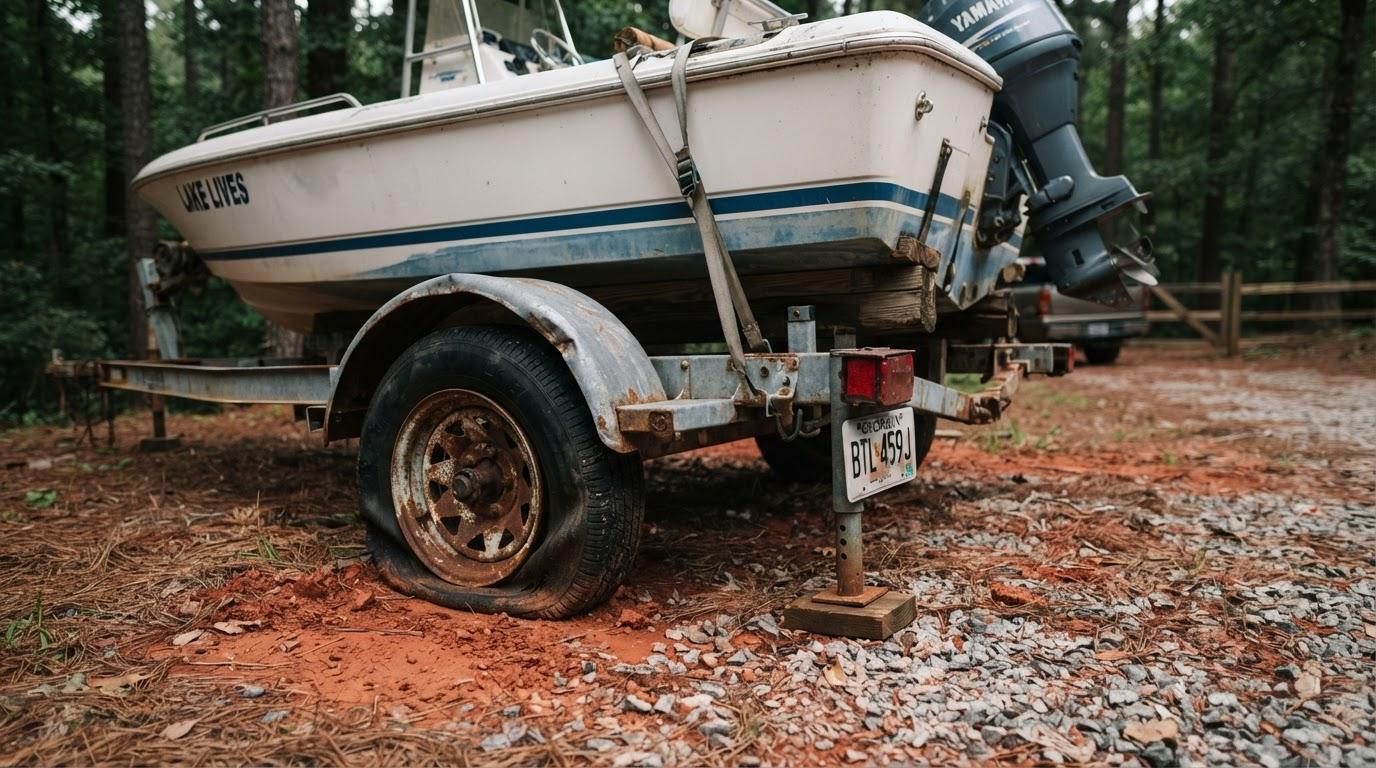
One of the most common mistakes is assuming a personal auto policy automatically covers the full value of a boat trailer in every situation. Some auto policies may provide limited liability treatment while towing, but that does not always mean physical damage to the trailer itself is fully insured.
Another misconception is that the boat policy always includes the trailer with no separate limit. In reality, some policies include only a modest amount of trailer protection unless higher limits are selected.
Owners across GA also underestimate theft exposure, especially when a trailer is left visible in a driveway or unsecured lot.
Another frequent problem is undervaluing the trailer by forgetting upgrades such as spare tire mounts, brake systems, guide-ons, or custom wheels, which can affect claim payments.
Have a question about your policy?
Ask a local agent at The Larson Group. The quote is free.
Licensed Georgia agents · The Larson Group
Choosing the Right Trailer Coverage Level in GA
The right coverage level starts with knowing what it would cost to repair or replace the trailer today, not what it cost years ago. Georgia boat owners should consider the trailer's make, model, axle setup, brake system, and any added equipment that increases value. Deductible choices matter too.
A higher deductible can lower premiums, but it also means more out-of-pocket expense after a covered loss. Owners who tow frequently between Woodstock and destinations like Atlanta, Cumming, Buford, or Acworth may want broader protection because road exposure is higher.
It is also smart to ask whether the policy settles losses on actual cash value, agreed value, or replacement cost terms. The best fit balances premium, deductible, storage conditions, theft exposure, and how hard the trailer would be to replace quickly.
Getting Trailer Coverage Across GA
Getting trailer coverage in GA usually starts with a few key details: the trailer year, make, model, vehicle identification number, value, storage address, and how often it is towed.
From there, the policy can be matched to the boat, the towing pattern, and the level of protection needed across Georgia.
Owners based in Woodstock can compare options that also fit regular travel through Atlanta, Roswell, Marietta, Alpharetta, Kennesaw, Canton, Acworth, Smyrna, Dunwoody, Sandy Springs, Cumming, Dallas, and Buford.
A careful review of deductibles, covered perils, exclusions, and valuation terms can help avoid gaps before the next trip. For many Georgia boat owners, the goal is simple: protect the trailer as seriously as the boat it carries.
Frequently Asked Questions
How much does trailer coverage cost in GA?
What does trailer coverage cover for boat owners in GA?
Do I need trailer coverage if I already have boat insurance in GA?
How do I get trailer coverage in GA?
Does trailer coverage help with theft in places like Atlanta or Marietta?
Your next step
Get a quote that includes trailer coverage in ga
Compare coverage options for GA and get help choosing the right policy.
Licensed Georgia agents · The Larson Group