
Hull Coverage for Savannah Residents
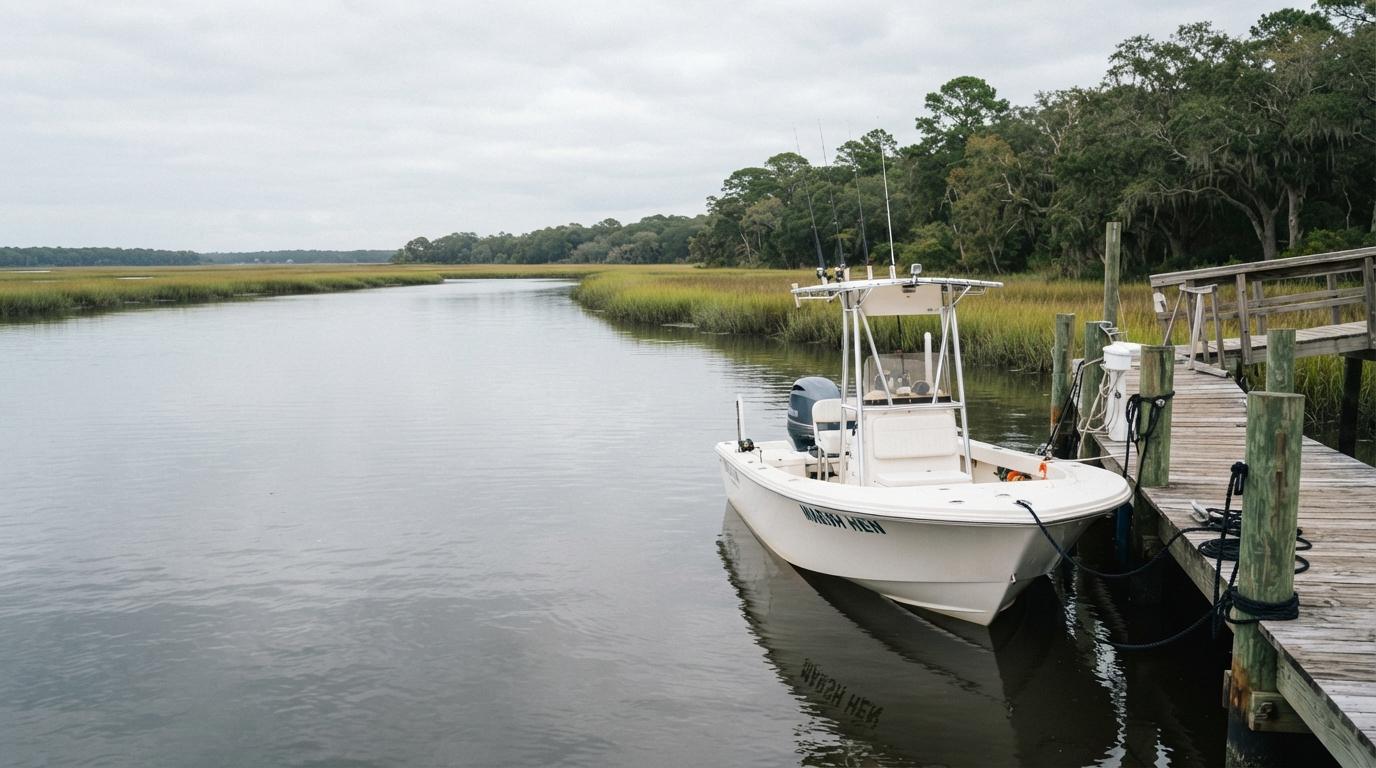
Hull coverage helps pay for physical damage to the boat itself after a covered loss, which is especially important for owners in Savannah. Boats kept near the Wilmington River, Thunderbolt, Isle of Hope, or marinas along the Intracoastal Waterway often face different conditions than boats used only on inland lakes. Salt air, tidal changes, floating debris, and busy docking areas can all raise the chance of damage to a hull, deck, or attached equipment. For Savannah boat owners, this coverage is less about general boating and more about protecting a vessel in a coastal environment where weather, water conditions, and storage location can affect both risk and repair costs across Georgia.
Why Savannah Needs Hull Coverage
Savannah has risk factors that make hull protection particularly relevant. Coastal storms moving in from the Atlantic can bring strong wind, surge, and heavy rain, while hurricane season increases the chance of sudden vessel damage. Tidal waterways around Skidaway Narrows and the Savannah River can create grounding or collision concerns, especially for less familiar operators or during changing conditions. Even when a boat is not underway, damage can happen during haul-out, trailering, docking, or storage near the coast. Compared with many inland parts of Georgia, Savannah also has more exposure to saltwater corrosion and weather-related wear, which makes it important to understand what a policy covers after an accidental loss and what remains routine maintenance.
What's Covered
Hull coverage generally applies to the boat’s physical structure and may also extend to permanently attached equipment, depending on policy terms. Covered losses often include collision with another boat, impact with a dock, fire, theft, vandalism, and certain storm-related damage. In Savannah, examples might include damage from rough weather near Tybee waters, contact with submerged objects in coastal channels, or harm that occurs while a boat is secured at a marina during a wind event. Policies may be written on an actual cash value or agreed value basis, which affects how a claim is settled. Owners should also review whether electronics, trailers, fishing gear, or custom upgrades are included automatically or require separate limits.
Key Hull Coverage Benefits for Savannah Boat Owners
- Protection for physical damage from collision, fire, theft, and many storm events
- Coverage options that fit boats stored in marinas, dry stacks, or private coastal docks
- Settlement choices such as agreed value or actual cash value depending on vessel age and budget
- Support for repairs that may involve specialized coastal or saltwater service needs in Savannah
- Policy structures that can reflect year-round Georgia boating with added coastal exposure

Savannah Coverage Costs and Factors
The cost of hull coverage in Savannah depends on several details, and coastal location is one of the biggest. Insurers usually consider the boat’s age, length, type, value, engine size, navigation territory, storage method, and claims history. A vessel kept in or near Savannah year-round may cost more to insure than one used only seasonally inland because of hurricane exposure, marina density, and saltwater operating conditions. Deductible choices also matter, especially if a policy has a separate windstorm or named storm deductible. Safety equipment, boating experience, and whether the boat is stored on a trailer, lift, or in enclosed storage can all influence premiums for owners using boats throughout Georgia.
Filing a Claim in Savannah
After a covered incident, a hull claim usually starts with documenting the damage as soon as it is safe to do so. In Savannah, that may mean taking photos at a marina, documenting weather conditions, noting tide or location details, and protecting the boat from further loss if possible. Owners should keep repair records, maintenance logs, and receipts for equipment that may be part of the claim. If damage follows a coastal storm, insurers may ask for more detail about where the boat was stored and what steps were taken before the event. Because repair capacity can tighten after major weather across coastal Georgia, prompt reporting can help move the inspection and estimate process forward more efficiently.
Common Coverage Gaps
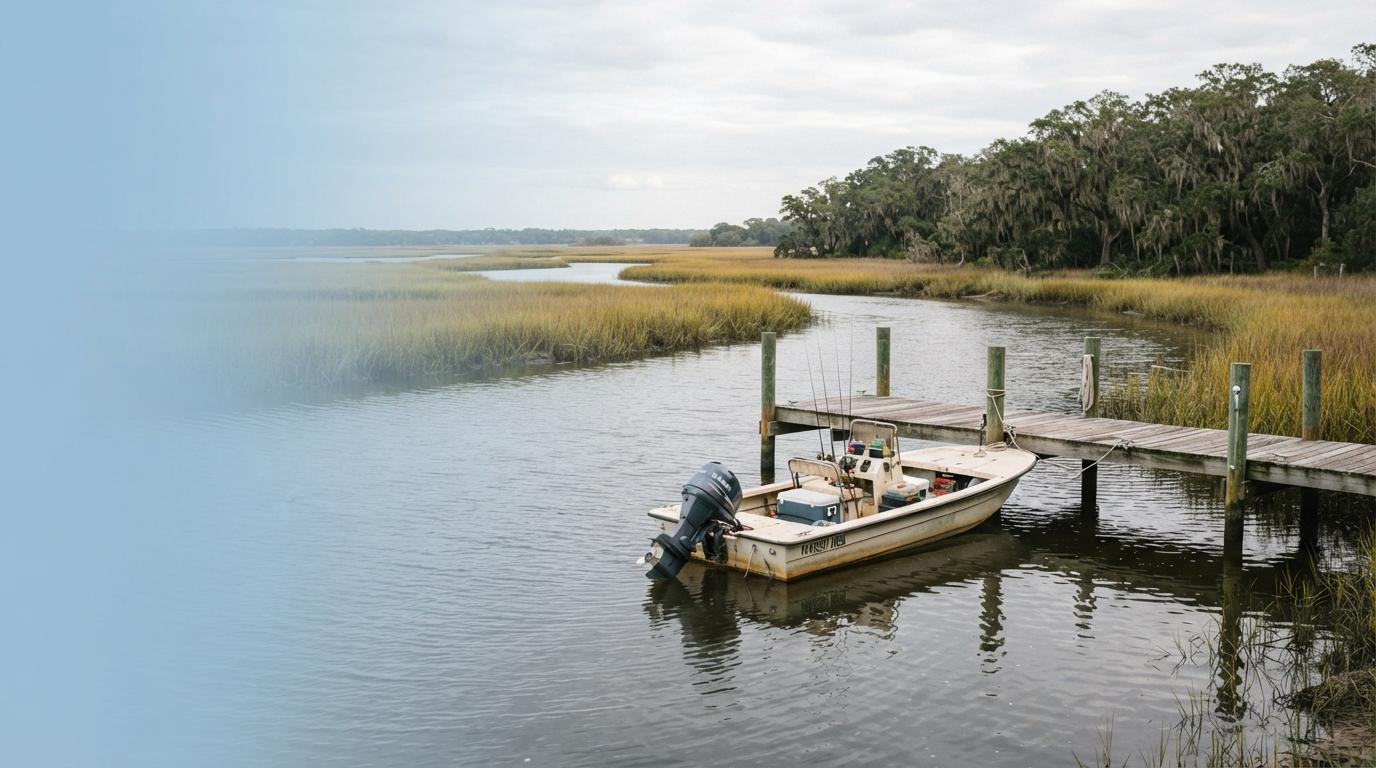
One of the biggest misunderstandings in Savannah is assuming hull coverage pays for every form of damage to a boat. Most policies are designed for sudden and accidental loss, not gradual deterioration. Corrosion, marine growth, wear from salt exposure, poor maintenance, and mechanical breakdown are often limited or excluded. Another common gap involves personal property and accessories; expensive fishing electronics, detachable gear, and trailer equipment may have separate limits. Owners should also check navigational boundaries, storm-haul out requirements, and exclusions related to unattended mooring. In a coastal city like Savannah, small policy details can make a major difference when a claim involves wind, water intrusion, or marina-related damage.
Savannah Boating Conditions and Seasonal Planning
Hull coverage decisions in Savannah should reflect how and where a boat is actually used. Some owners stay close to local rivers and creeks, while others run broader coastal routes near Tybee or keep a vessel available for frequent weekend use. Seasonal weather planning matters because Georgia’s coast can shift quickly from calm conditions to severe summer storms. Owners who review coverage before peak boating months can better match limits, deductibles, and storage details to real exposure. This matters not only in Savannah but across Georgia, where a policy may need to account for both coastal trips and inland use at different times of year.
Getting Started
Getting started with hull coverage for a Savannah boat usually means gathering the vessel’s year, make, model, length, horsepower, usage details, and storage information. It also helps to know whether the boat stays near the coast, travels throughout Georgia, or is moved between marinas and inland waterways. Savannah owners should compare how policies treat storm exposure, salvage, partial losses, and equipment limits rather than focusing on premium alone. Since this is a statewide topic, it is useful to look at how coverage for coastal Savannah may differ from coverage used around Atlanta-area lakes or other parts of Georgia. A clear review of value, deductibles, and exclusions can make it easier to choose protection that fits the boat and where it is used.
Frequently Asked Questions
For many owners, yes. Savannah boats often face added coastal exposure from saltwater, storms, tidal conditions, and marina traffic that may not be as common inland.
Common factors include the boat’s value, size, age, engine type, claims history, storage method, navigation area, and whether the vessel is exposed to coastal storm risk near Savannah.
It can, but the answer depends on the policy terms. Some policies include storm-related protection with special deductibles or conditions, so Savannah owners should review named storm details carefully.
Usually not. Hull coverage is generally intended for sudden accidental damage, while corrosion, deterioration, and maintenance-related issues are commonly excluded.
Often yes, but the navigation territory must match actual use. A policy may need to reflect both Savannah coastal operation and travel to other Georgia waterways.
Related Coverage
Explore related protection options that may fit your insurance needs.
Get Your Boat Insurance Quote
Compare coverage options for GA and get help choosing the right policy.
Coverage Options Near Savannah
Explore the same coverage type in nearby areas.

